

 Pristupačnost
The Department of Sociology was established in 1992 and is one of the core disciplines of the Faculty of Croatian Studies. The concept of sociology studies focuses on the application of sociological theories and social science methodology for understanding social processes and phenomena in the specific context of Croatian society and comparatively in a European and global perspective. The study of sociology aims to train highly qualified sociological research personnel with professional research and analytical skills necessary for productive work in the public and private sectors. The sociology program at the bachelor's and master's levels is organized according to current international scientific standards.
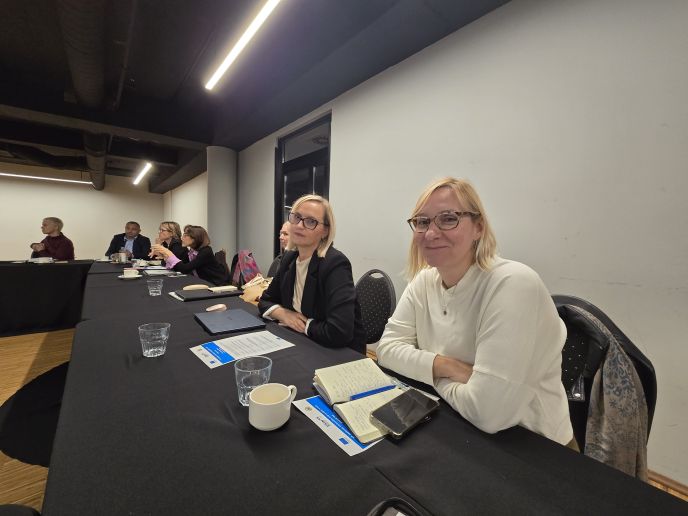
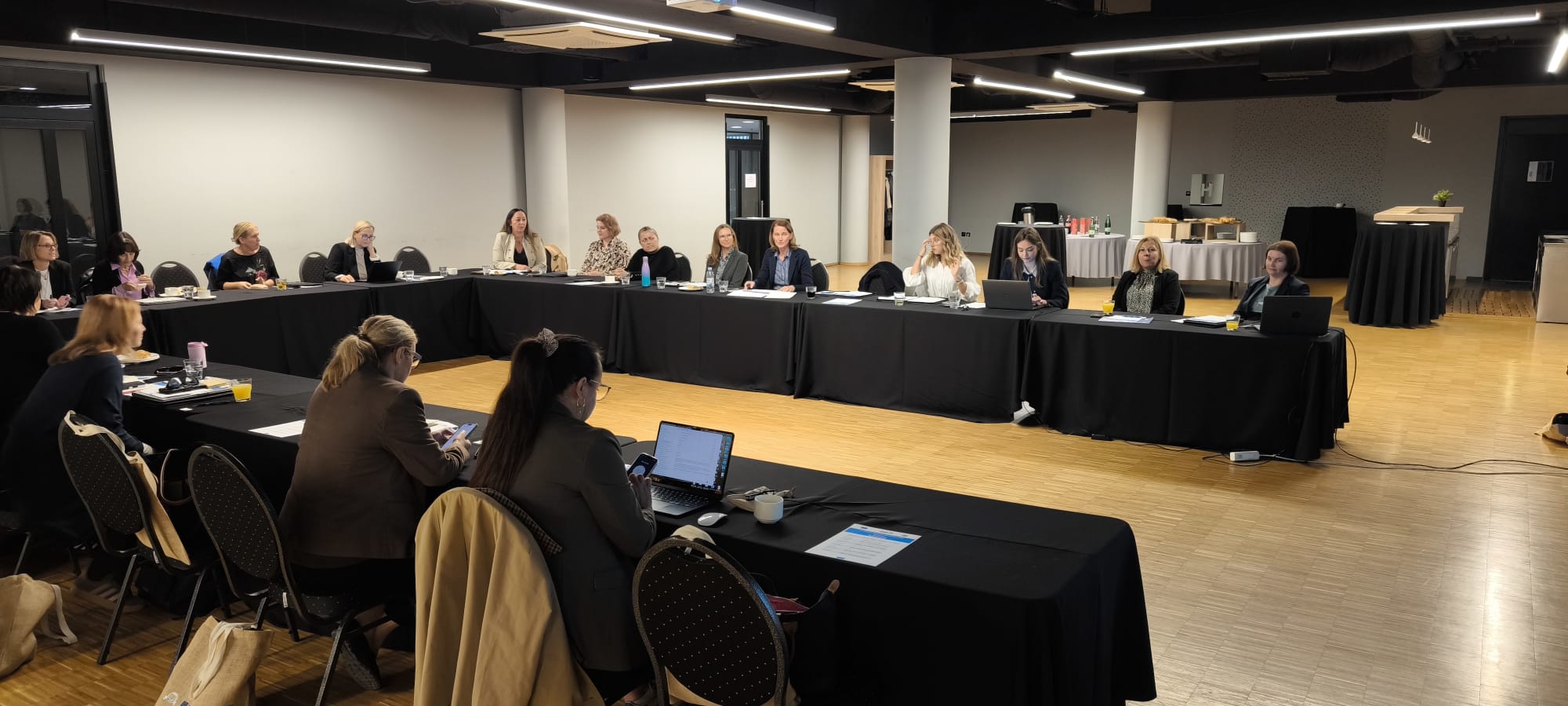
The 17th meeting of the National Migration Network was held in Zagreb on Friday, 16 October, organised by the National Contact Point of the European Migration Network for the Republic of Croatia (EMN NCP Croatia).
The meeting took place at Hotel Academia and, in addition to a review of EMN activities, included presentations on current amendments to the Foreigners Act and the Act on International and Temporary Protection.
The National Migration Network brings together representatives of the Ministry of the Interior and other state administration bodies, civil society organisations, and members of the academic community, including University of Zagreb faculty members whose scientific and professional work focuses on migration-related issues.
The University of Zagreb Faculty of Croatian Studies is represented in the National Migration Network by Associate Professor Marica Marinović Golubić, PhD, and Assistant Professor Ana Marija Dunaj, PhD, from the Department of Sociology. During the part of the meeting dedicated to presenting the activities of network members, they introduced the Department’s teaching, research, and professional activities related to migration.
Particular emphasis was placed on teaching activities within the sociology study programme. Migration is addressed within the elective course Sociology of Security, while migration processes are also the central focus of the course Sociology of Migration. This gives students the opportunity to analyse migration from different sociological perspectives, including issues of security, integration, social relations, and institutional responses to contemporary migration processes.
The representatives also presented the Department’s long-standing cooperation with the Service for the Reception and Accommodation of Applicants for International Protection, whose experts participate in teaching as guest lecturers. This enables undergraduate sociology students to gain direct insight into the international protection system, procedures relating to the reception and accommodation of applicants for international protection, and the practical experience of professionals working in this field.
Within the international scientific project Safe and Sound, the Department of Sociology also cooperates with the Centre for the Culture of Dialogue. As part of the project, a scientific study is being conducted involving foreign workers from Asian countries, Croatian workers, and students. The research focuses on perceptions of security, trust in institutions, and experiences of victimisation and discrimination. It enables a comparison of the experiences of different groups and contributes to a more detailed understanding of the social and security dimensions of contemporary migration processes in Croatia.
The European Migration Network (EMN) is a network of experts in migration and asylum established at the European Union level to provide objective, comparable, and policy-relevant information on migration and asylum. The network is coordinated by the European Commission’s Directorate-General for Migration and Home Affairs, while the Croatian National Contact Point operates within the Ministry of the Interior of the Republic of Croatia.
At the national level, the EMN connects stakeholders dealing with migration and asylum from different perspectives, including state administration bodies, the academic and research community, and civil society organisations. Through the exchange of information, professional expertise, and research findings, the network contributes to a better understanding of migration processes and to the development of migration and asylum policies.