


 Pristupačnost
The Department of Sociology was established in 1992 and is one of the core disciplines of the Faculty of Croatian Studies. The concept of sociology studies focuses on the application of sociological theories and social science methodology for understanding social processes and phenomena in the specific context of Croatian society and comparatively in a European and global perspective. The study of sociology aims to train highly qualified sociological research personnel with professional research and analytical skills necessary for productive work in the public and private sectors. The sociology program at the bachelor's and master's levels is organized according to current international scientific standards.
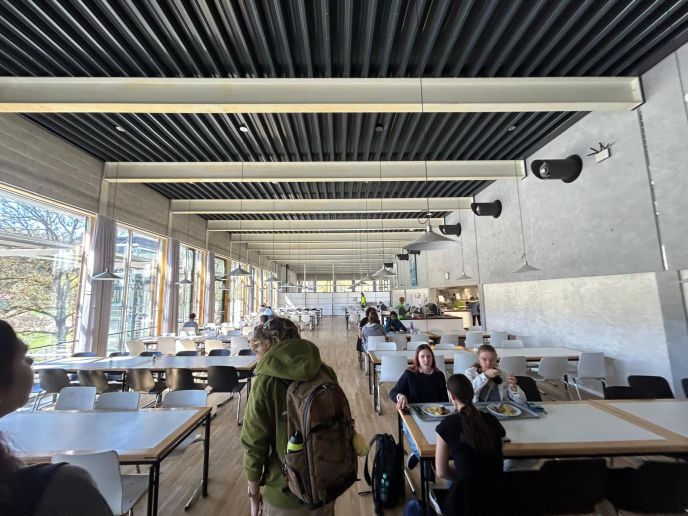
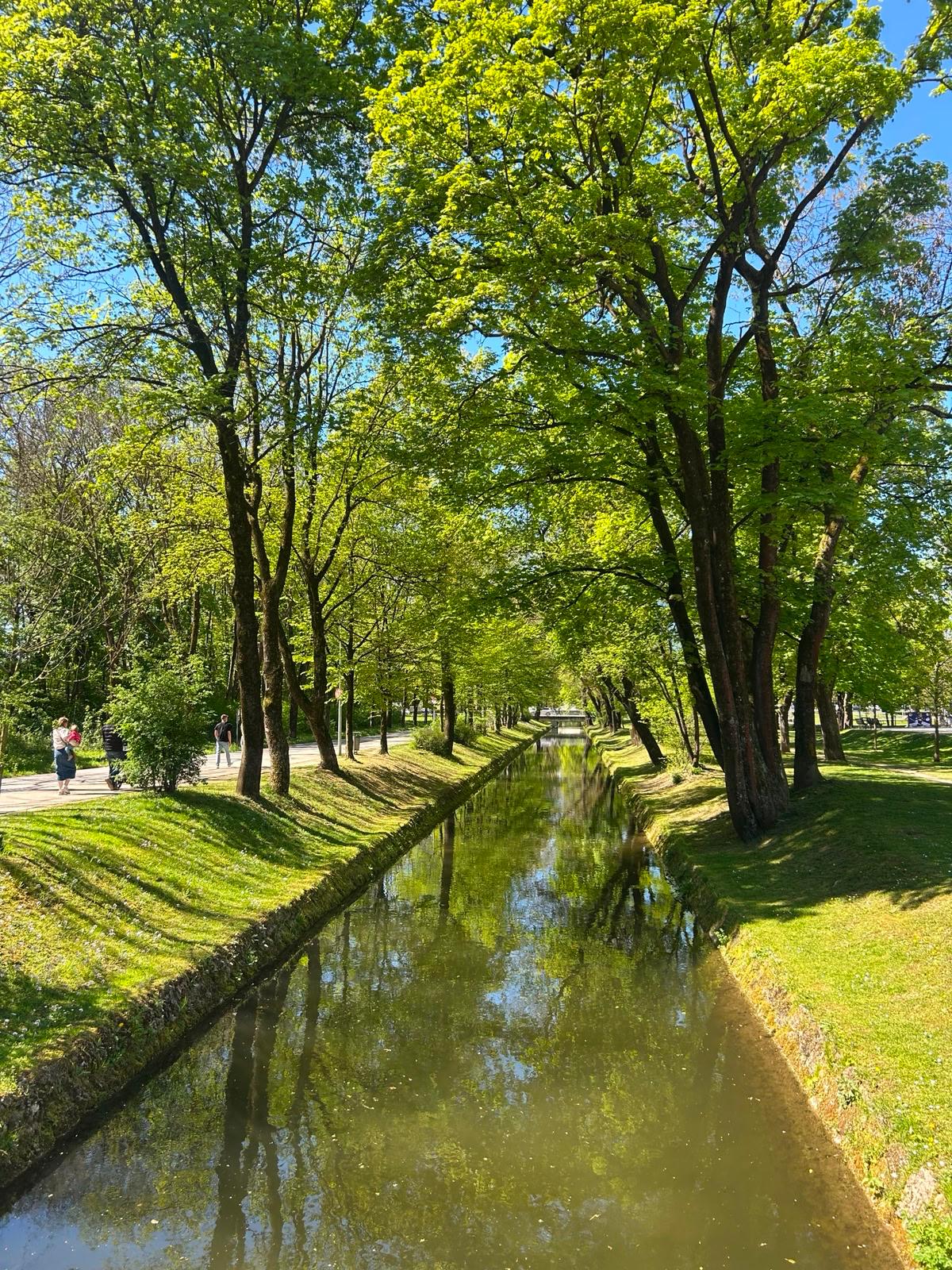
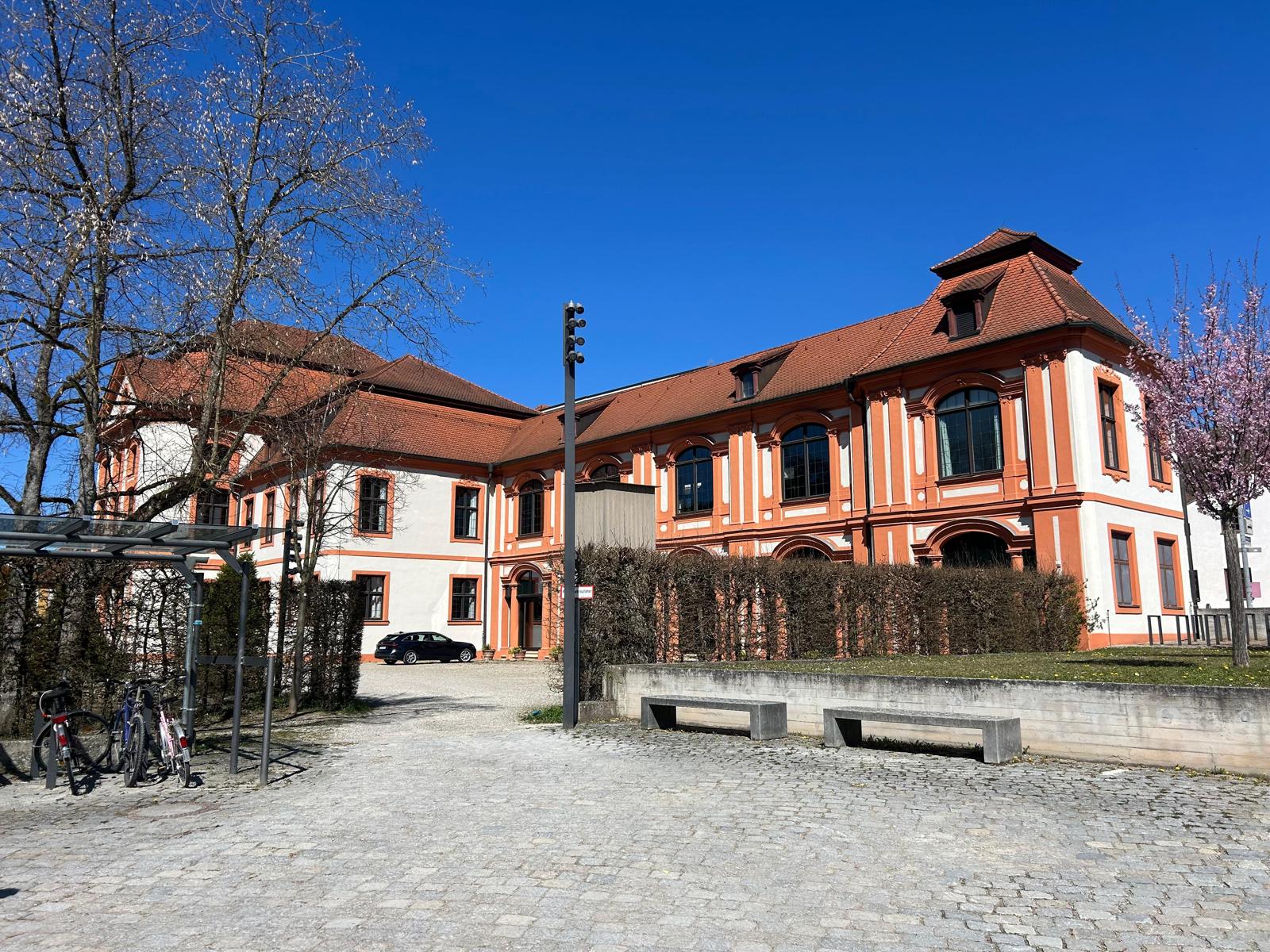
Every academic year, several students from the Department of Sociology at the Faculty of Croatian Studies pack their bags, complete the necessary paperwork, and embark on one of the most memorable experiences of student life: an Erasmus exchange. This academic year, three first-year master’s students in sociology traveled to the Catholic University of Eichstätt-Ingolstadt in Bavaria, where they spent the summer semester. Each had a different reason for going.
 Three Paths to the Same Destination
Fedra Pervan says that when she saw Germany among the available destinations, she knew it was the best choice for her.
“Some of the most renowned and influential sociologists in the history of the discipline came from Germany. Its universities continue to lead in fields such as political sociology, migration, and the sociology of work, the economy, media, and technology. The preparations went smoothly. There were plenty of forms, but the Faculty gave us all the help we needed and answered every question we had,” Fedra says.
She adds that, alongside help with the paperwork, the Faculty of Croatian Studies helped them find accommodation. One of the key concerns about living abroad was therefore settled before they arrived.
Natanael Stepanić’s path to Erasmus took longer.
“I first heard about student exchanges in my first year of university. I liked the idea, but I wasn’t particularly motivated to apply,” Natanael says.
A few years later, he came across information about Erasmus online and decided to apply. He describes the application period as stressful and uncertain: long waits were followed by short deadlines for submitting a great deal of information. In the end, though, it was worth it.
Lina Polak applied for Erasmus spontaneously.
“When the opportunity came up, I simply thought, ‘Why not?’ I’m very glad I took it,” Lina says.
Responsibilities at Home Before Departure
Going on Erasmus in the summer semester presents a particular challenge for master’s students. The second semester of their first year includes a compulsory student internship, and the students wanted to complete as much of it as possible before leaving. Juggling final deadlines, Erasmus paperwork, and preparations for the trip took careful organization, but all three future sociology graduates managed it.
 Two Weeks Before Departure
Preparations did not end when the forms were submitted. Two weeks before departure, an intensive online German course began. Each day, they studied and revised grammar alongside other international students preparing to attend the same university.
“As well as learning the language, we met some of the people we would be studying with in Germany,” Fedra recalls. The course was intensive, but it also meant they had made friends before they even arrived.
Lina Polak was excited about leaving and ready for new challenges.
“I was more excited than prepared. I had some expectations, but I didn’t want to plan everything in advance. I wanted Erasmus to surprise me a little. More than anything, I prepared myself to step out of my routine, meet lots of new people and embrace a completely new experience,” Lina says.
Daily life in Germany brought practical advantages too. The students lived close to the university, making it much easier to organise their days. Student benefits also gave them access to affordable public transport across Germany, which they made good use of to travel and explore the country. They spent their free time socialising, studying and taking part in activities together. They especially appreciated the openness of their fellow students and the welcoming atmosphere at the university and in the town.
Sociology at the Faculty of Croatian Studies: A Study Programme with Extensive International Mobility
Erasmus stories like these are made possible by an international network built over many years. Sociology at the Faculty of Croatian Studies, University of Zagreb, has the Faculty’s most extensive international mobility opportunities for both students and staff. Under current interinstitutional agreements, members of the Department can take part in exchanges at 13 universities in the Czech Republic, Germany, the Netherlands, Poland, Hungary, Bulgaria, Slovenia, Spain and Türkiye. The agreements cover 14 study programmes at undergraduate and master’s levels. Student exchanges generally last five to six months, while staff exchanges most often last five working days. A list of all agreements is available at the relevant link.
The international dimension of the programme is strengthened further by the Department of Sociology’s offer of 12 courses taught in English from the 2026/2027 academic year. These courses are open to incoming exchange students as well as students from Croatia. The list of courses is available online.
What awaited the students in Eichstätt, from lectures and campus life to living in the town? Read about it soon in the next part of their story.