

 Pristupačnost
The Department of Sociology was established in 1992 and is one of the core disciplines of the Faculty of Croatian Studies. The concept of sociology studies focuses on the application of sociological theories and social science methodology for understanding social processes and phenomena in the specific context of Croatian society and comparatively in a European and global perspective. The study of sociology aims to train highly qualified sociological research personnel with professional research and analytical skills necessary for productive work in the public and private sectors. The sociology program at the bachelor's and master's levels is organized according to current international scientific standards.
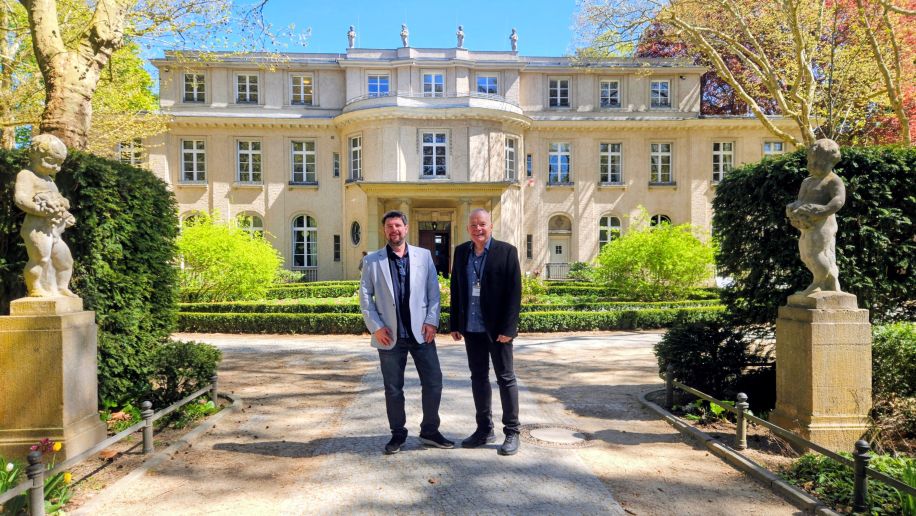
Faculty members of the Department of Sociology at the Faculty of Croatian Studies, University of Zagreb, Full Professor Renato Matić, PhD, and Assistant Professor Ivan Perkov, PhD, participated in an international educational seminar for teachers and educators on the Holocaust, held in Berlin from April 27 to May 1, 2026.
The seminar was organized by the House of the Wannsee Conference, one of Europe’s most important institutions dedicated to Holocaust research and education, in cooperation with the Ministry of Science and Education of the Republic of Croatia.
The seminar program focused on contemporary methods of teaching about the Holocaust, the culture of remembrance, critical understanding of Nazism, and educational approaches to combating antisemitism and hate speech. During the multi-day program, participants attended expert lectures, workshops, and field visits to memorial sites across Berlin. Particular emphasis was placed on social responsibility, confronting the past, and the challenges of teaching about the Holocaust in today’s social and digital context.
One of the central parts of the program was a visit to the house on Lake Wannsee, the site of the infamous Wannsee Conference held in January 1942, where senior Nazi officials coordinated the implementation of the so-called “Final Solution to the Jewish Question.” Through expert guidance and workshops, participants examined contemporary approaches to Holocaust education from the perspectives of perpetrators, bureaucracy, and the mechanisms of mass violence.
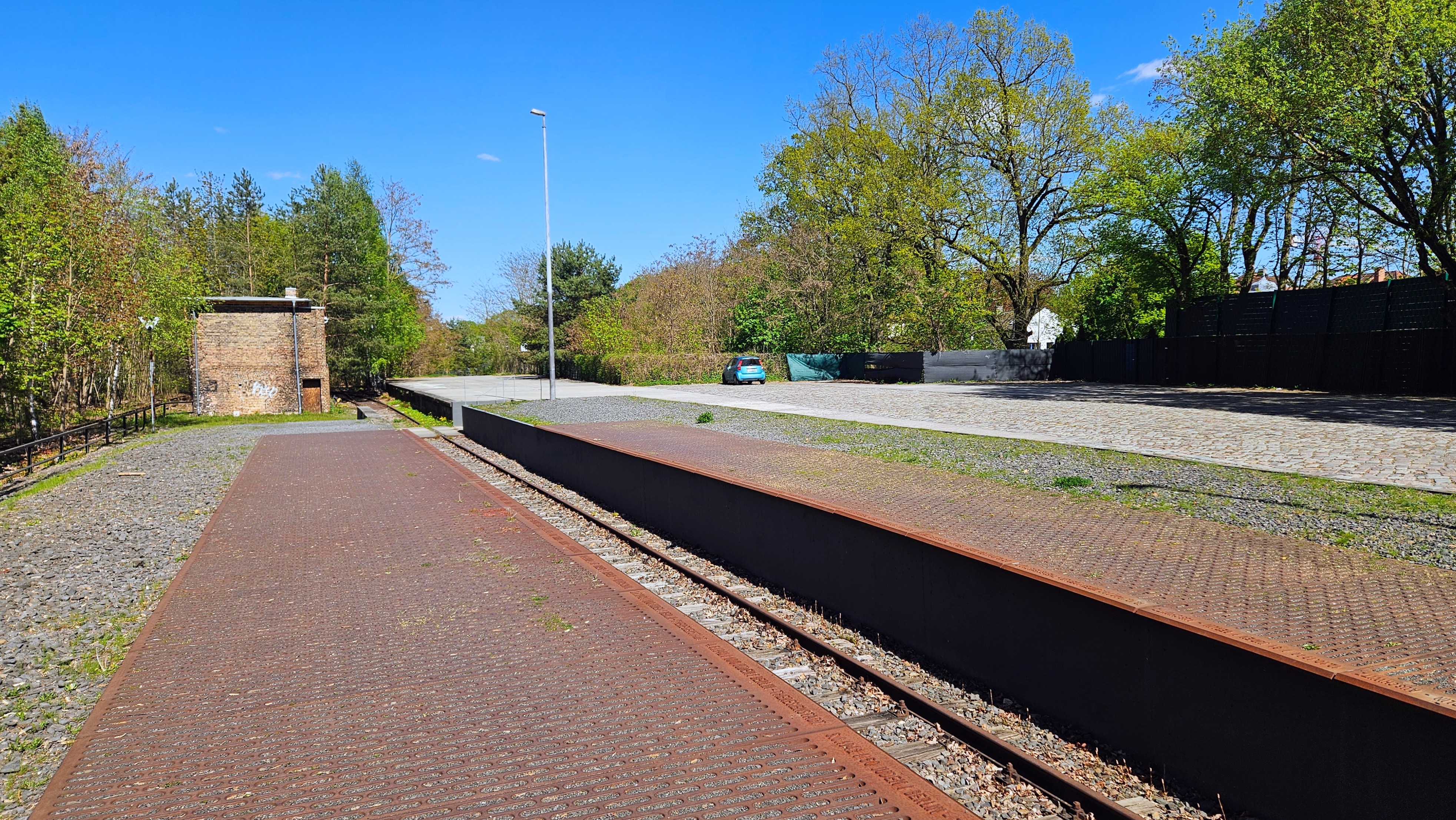
As part of the seminar, participants also visited the “Track 17” (Gleis 17) memorial at the Berlin-Grunewald railway station, from which Berlin’s Jews were deported to ghettos and concentration camps during the Nazi regime. Today, the memorial stands as one of the most powerful sites of remembrance culture in Germany, and the educational program opened discussions on responsibility, public memory, and the relationship of contemporary society to the past.
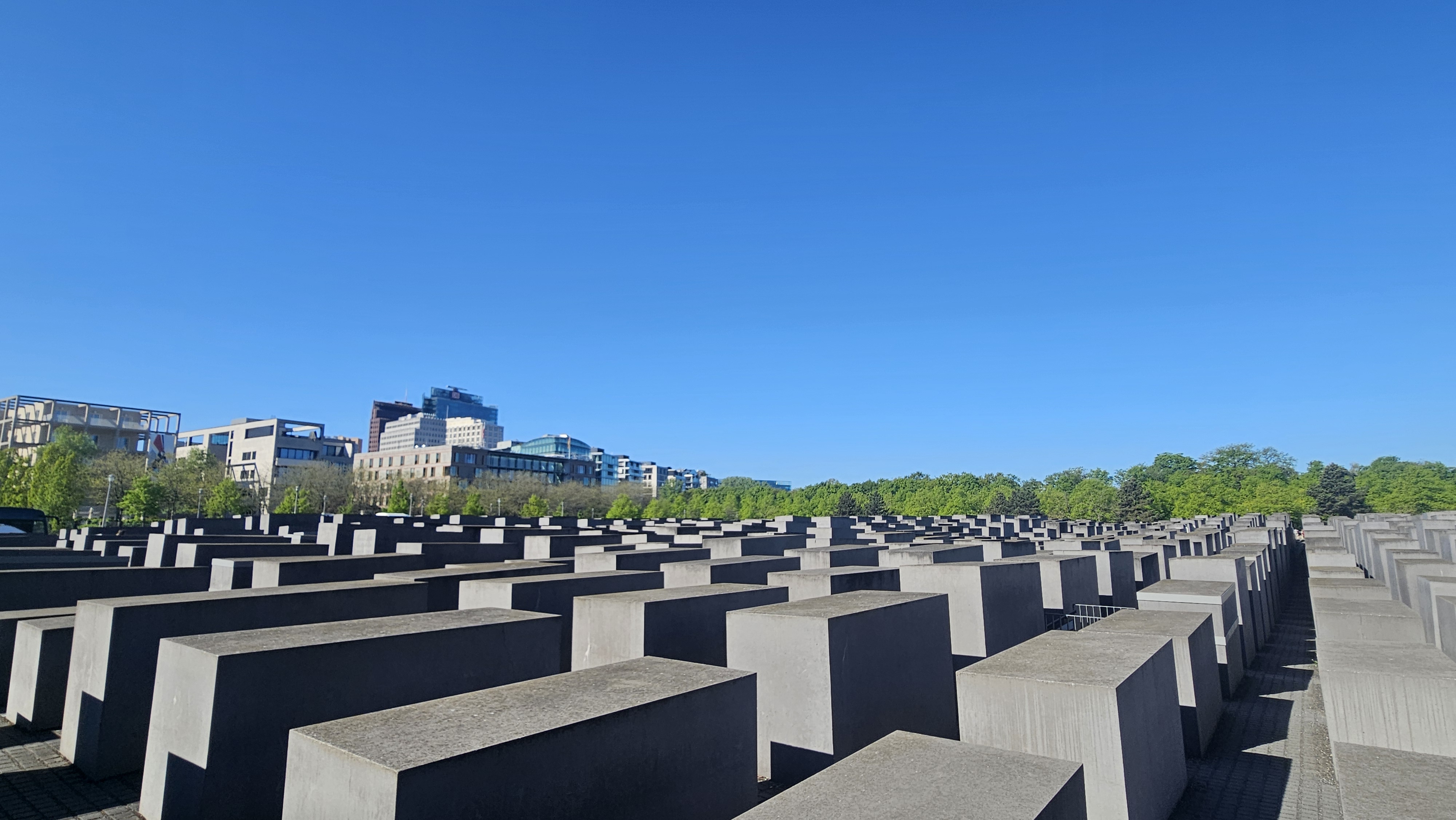
Participants also visited the Memorial to the Murdered Jews of Europe and the Topography of Terror documentation center, located on the site of the former headquarters of the Gestapo and the SS. Workshop sessions addressed various forms of antisemitism, their manifestations in public spaces and on social media, as well as possibilities for developing critical and responsible education on historical trauma and contemporary social issues.
The participation of the Department of Sociology faculty members in this international seminar was made possible through a scholarship awarded by the Ministry of Science, Education and Youth of the Republic of Croatia in cooperation with the House of the Wannsee Conference for international training dedicated to Holocaust education and the prevention of antisemitism. This represents an important professional recognition of their work and expertise in the field of memory studies and contemporary social challenges. The scholarship builds on an earlier international recognition, as the same faculty members previously received support from Northwestern University for the development of a university course on the Holocaust, further confirming the continuity of their teaching and research work and their contribution to the development of sociology studies at the Faculty of Croatian Studies.