


 Pristupačnost
The Department of Sociology was established in 1992 and is one of the core disciplines of the Faculty of Croatian Studies. The concept of sociology studies focuses on the application of sociological theories and social science methodology for understanding social processes and phenomena in the specific context of Croatian society and comparatively in a European and global perspective. The study of sociology aims to train highly qualified sociological research personnel with professional research and analytical skills necessary for productive work in the public and private sectors. The sociology program at the bachelor's and master's levels is organized according to current international scientific standards.
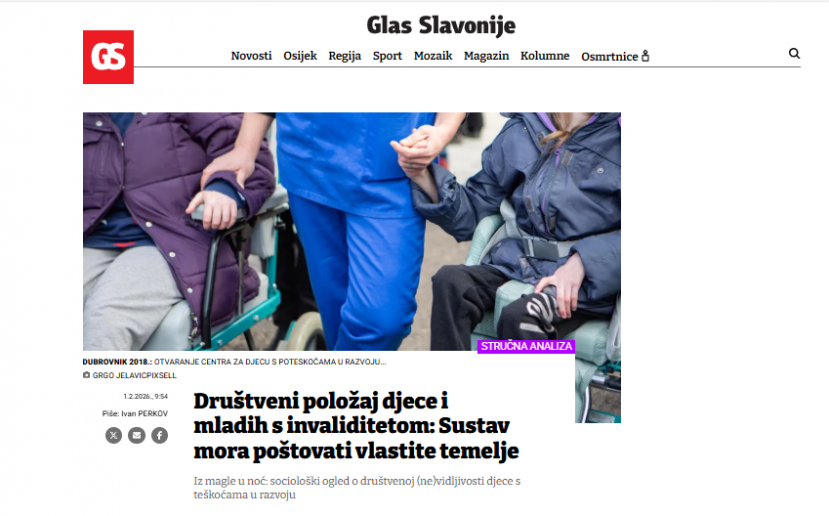
Photo: Glas Slavonije, 1 February 2026 / FCS
On 1 February, the daily newspaper Glas Slavonije published an extensive opinion article by Assist. Prof. Ivan Perkov, PhD, from the Department of Sociology, Faculty of Croatian Studies, University of Zagreb, entitled “The Social Position of Children and Young People with Disabilities: The System Must Respect Its Own Foundations”.
In the article, the author offers a sociological and humanistic insight into the social (in)visibility of children with developmental disabilities and young people with disabilities in Croatia, analyzing their real-life conditions, barriers, and experiences within the institutional system. The article was prompted by a recent decision of the Constitutional Court of the Republic of Croatia, which annulled key provisions of the Personal Assistance Act due to their discriminatory impact on children with developmental disabilities and persons with disabilities.
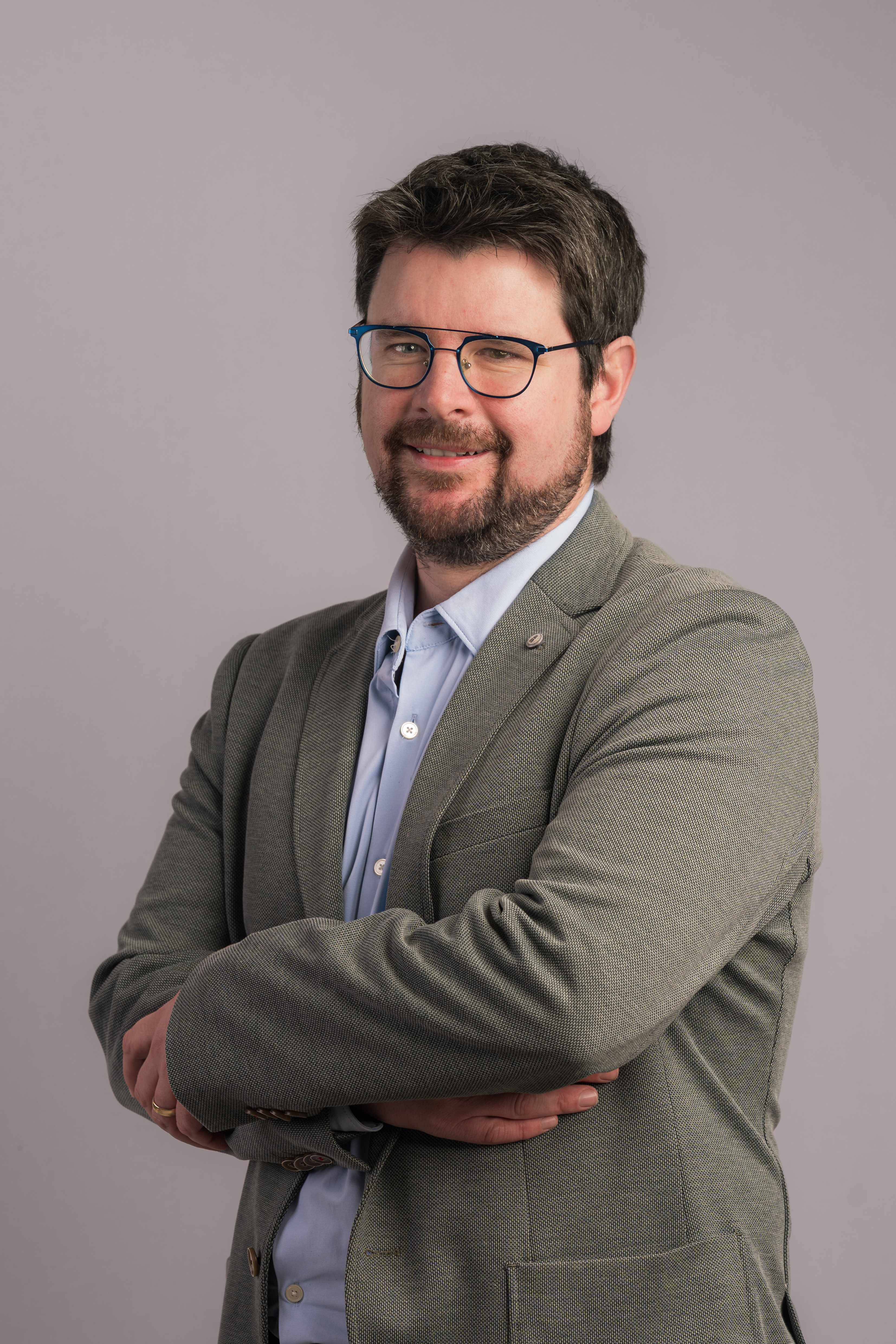 Assist. Prof. Perkov particularly emphasizes that the Court identified violations of fundamental constitutional principles of human dignity, equality, and equal legal status, stressing that the rights of children with developmental disabilities must not be reduced to administrative categories but must be grounded in their actual and individual needs. He also interprets the Constitutional Court’s decision as an important social and moral turning point that exposes long-standing structural injustices.
In the analytical part of the article, Perkov draws on classic sociological theorists such as Erving Goffman, Howard Becker, Pierre Bourdieu, and Max Weber to explain processes of stigmatization, labeling, symbolic violence, and bureaucratic insensitivity that shape the everyday lives of children with developmental disabilities and their families. Particular attention is given to the transition from childhood to adulthood, a period in which systemic support often weakens further, deepening feelings of insecurity and social exclusion.
The author concludes that this court ruling must not remain an isolated precedent but should mark the beginning of genuine institutional change, as a society ultimately demonstrates its commitment to justice through the way it treats its most vulnerable members.
The full article is available on the Glas Slavonije website.